Sep 10, 2026
Who will win Best Actor at the 2027 Oscars? Live Odds and Polymarket Predictions
Read Article 
While sportsbooks generated record revenue in 2025, the US betting industry is entering a new phase.
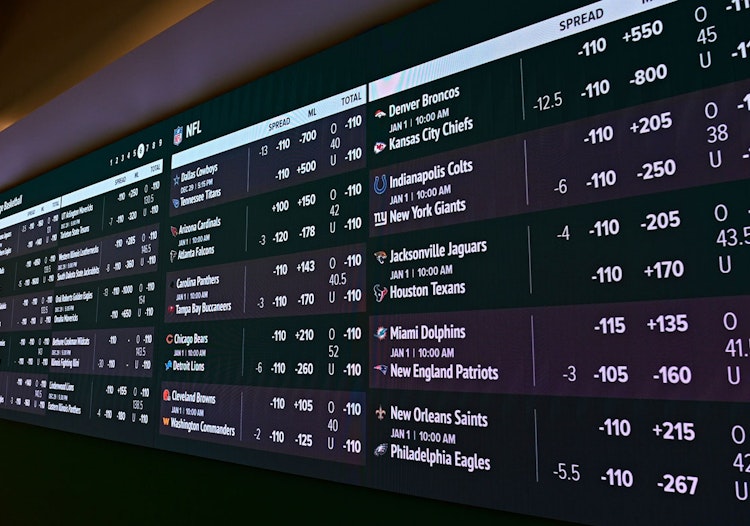
US commercial gaming revenue reached another all-time high in 2025, with sportsbooks, casinos and online gaming operators generating more than $78 billion nationwide, according to a new report from the American Gaming Association.
That marked the sixth straight year of record revenue for the industry, fueled by continued growth across sports betting, online casinos and traditional land-based gaming.
But beneath the headline numbers in the report, the latest data also suggests the rapid expansion phase of US sports betting may be beginning to slow.
Commercial sports betting revenue climbed 22.6 percent year-over-year to nearly $17 billion in 2025, with New York remaining the largest betting market in the country.
At the same time, 2025 marked the first year since the Supreme Court struck down PASPA in 2018 that no new state legalized sports betting.
That matters.
For years, sportsbooks heavily boosted their growth by constantly expanding into new states, aggressively promoting, and massively spending on customer acquisition. But as legalization slows, operators increasingly need to compete for the same bettors rather than entirely new markets.
For consumers, that could bring both benefits and drawbacks.
Competition between sportsbooks, prediction markets, DFS operators and sweepstakes platforms could continue creating better promos, more product innovation and more betting options.
But it could also mean tighter promotional offers, more aggressive retention tactics, increased limits on winning bettors, higher hold percentages and more pressure to cross-sell casino products.
While sports betting continues dominating headlines, online casinos may actually be becoming the industry's most important long-term growth driver.
The report found US iGaming revenue surged 27.6 percent in 2025 to more than $10.7 billion.
Pennsylvania, Michigan and New Jersey accounted for the vast majority of that growth, while online casino revenue in both Pennsylvania and New Jersey surpassed land-based casino gaming revenue for the first time.
That shift is significant because online casino products typically generate higher margins for operators than sports betting.
For bettors, it also helps explain why sportsbooks increasingly push casino products, same-game parlays and other higher-margin offerings inside betting apps.
One of the biggest themes throughout the report was the growing battle over alternative gambling products.
The AGA said 16 states took action against sports event contracts tied to prediction markets in 2025, while several states also moved against sweepstakes casino operators.
That fight is likely to intensify ahead of the 2026 World Cup and NFL season as platforms like Kalshi and Polymarket continue expanding, with Polymarket recently expanding access to its regulated platform in the US.
Traditional sportsbooks argue prediction markets operate outside normal state gaming regulations, while supporters say the products function differently from sportsbooks because users trade against each other in open markets.
For bettors, the bigger takeaway is simpler: the US gambling landscape is becoming increasingly fragmented.
Sportsbooks, DFS, online casinos, sweepstakes operators and prediction markets are all competing for the same users, often under very different regulatory frameworks.
The US gambling industry is bigger than ever.
But as growth slows and competition intensifies, operators are increasingly fighting harder for user attention, retention and spending.
That makes transparency, pricing, promotions, responsible gambling protections and regulation more important than ever for bettors.
The best signup offer or flashiest app does not always mean the best long-term experience.
And as sportsbooks, casinos and prediction markets continue evolving, understanding how each platform actually makes money may become one of the biggest edges bettors can have.


Damien Souness is Chief Experience Officer at Cipher Sports Technology Group, helping lead sports media brands such as Dimers. He specializes in creating trustworthy and data-driven content for sports fans, with experience working for globally recognized sports and media organizations.