Jul 1, 2026
Alberta says online gambling will generate C$76M, but that's not the point
Read Article 
Kalshi's new partnership with the NCPG reflects the growing mainstream focus on responsible trading in prediction markets.
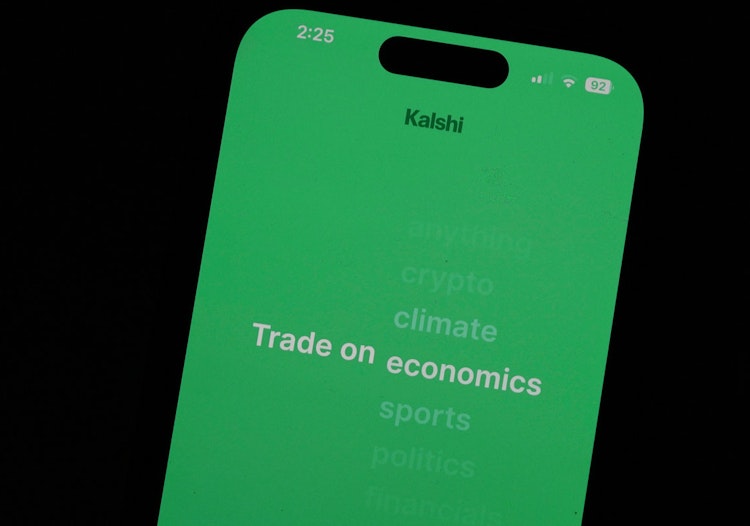
Prediction market platform Kalshi has announced a $2 million partnership with the National Council on Problem Gambling, becoming the first company from the financial trading and prediction market sector to join the organization as a member.
The partnership, announced on Monday, will support a new initiative focused on trader health, responsible participation and consumer education across prediction markets and retail trading platforms.
For bettors and consumers, the announcement highlights how prediction markets are continuing to evolve beyond niche financial products into more mainstream platforms tied to sports, politics and real-world events.
Prediction markets have grown rapidly over the past two years, particularly across sports-related event contracts.
Platforms like Kalshi and Polymarket now offer markets tied to major sporting events, politics, entertainment and economic outcomes, with growth expected to continue ahead of the 2026 World Cup, NFL season and other major global events.
For consumers, prediction markets can offer alternative ways to engage with sports and news, exchange-style pricing models, more market flexibility and access to event contracts outside traditional sportsbooks.
At the same time, prediction markets are increasingly attracting mainstream sports fans and first-time users rather than purely financial traders.
Kalshi said its investment will help fund education, awareness and responsible trading resources through the National Council on Problem Gambling.
The company also pointed to existing platform tools, including trading breaks, self-limits, self-exclusion options and mental health resources.
The broader initiative focuses on helping users better understand risk, decision-making and healthy participation as prediction markets continue expanding.
That is notable because responsible gambling conversations have traditionally centered around sportsbooks, casinos and DFS platforms rather than financial trading products.
As prediction markets continue growing, the lines between those industries are increasingly overlapping.
Despite the similarities in user experience, regulators treat prediction markets differently from traditional sportsbooks in the United States.
State gaming regulators regulate sportsbooks, while the Commodity Futures Trading Commission oversees federally regulated prediction markets.
Supporters argue prediction markets function more like financial exchanges because users trade against each other rather than betting against the house.
Critics argue many sports-related event contracts closely resemble traditional sports betting products.
For consumers, understanding those differences is becoming increasingly important as prediction markets continue entering the mainstream.
For bettors, the biggest takeaway may simply be that prediction markets are continuing to mature as an industry.
Adam Fiske, CEO of Cipher Sports Technology Group, parent company of Dimers, says conversations around education, responsible participation and consumer protections are becoming increasingly important as prediction markets grow.
"As platforms grow larger and attract more mainstream audiences, conversations about education, responsible participation and consumer protections are becoming increasingly important in this category," Fiske said.
"Prediction markets are unlikely to replace sportsbooks, but they are increasingly becoming part of the broader sports betting and gaming ecosystem across North America.
"And with more sports fans exploring platforms like Kalshi and Polymarket, understanding how these products work—and the risks involved—may become just as important as understanding odds or pricing."


Damien Souness is Chief Experience Officer at Cipher Sports Technology Group, helping lead sports media brands such as Dimers. He specializes in creating trustworthy and data-driven content for sports fans, with experience working for globally recognized sports and media organizations.