Jul 8, 2026
Kalshi loses another key legal battle over sports event contracts
Read Article 
Ohio lawmakers want to eliminate online sportsbooks as NC raises gambling taxes and Nebraska moves closer to legalization.
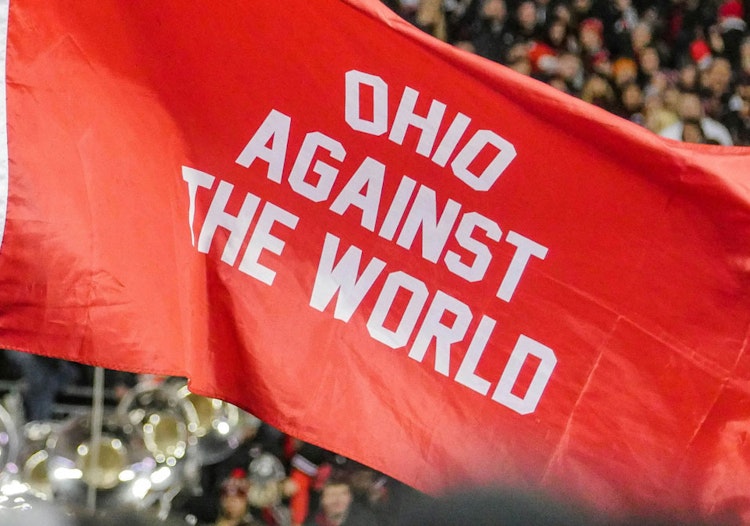
Ohio lawmakers are pushing one of the most aggressive sports betting rollbacks since the repeal of PASPA.
House Bill 971, known as the Save Ohio Sports Act, would ban online sports betting in Ohio while keeping retail sportsbooks available at licensed casinos.
The proposal comes as several states are taking sharply different approaches to gambling policy. Ohio is considering major restrictions, North Carolina is increasing taxes on sportsbooks and prediction markets, and Nebraska is moving closer to legalizing online sports betting.
A group of Republican lawmakers introduced House Bill 971 to make sweeping changes to Ohio's legal betting market.
If passed, the bill would eliminate online sports betting while preserving in-person wagering at licensed casino sportsbooks.
The proposal would also ban live betting, player props, parlays and college sports betting. Bettors would be limited to single-game wagers, a maximum of $100 per bet and no more than eight bets in a 24-hour period.
The legislation also includes new advertising restrictions and would prohibit credit card funding for gambling accounts.
The bill arrives after Ohio Gov. Mike DeWine publicly expressed regret over the state's decision to legalize sports betting.
DeWine has also called for the elimination of prop bets following gambling-related investigations involving Cleveland Guardians pitchers Emmanuel Clase and Luis Ortiz.
The Save Ohio Sports Act has been introduced but still must move through the committee process before it can advance further.
Ohio is not the only state reconsidering its approach.
North Carolina lawmakers recently passed a state budget that would increase the sports betting tax rate from 18% to 23%.
The budget also includes a 6% tax on prediction market operator net revenue, making North Carolina one of the latest states to move toward directly taxing prediction market activity.
The budget now awaits approval from Gov. Josh Stein.
While Ohio is considering restrictions, Nebraska may be moving in the opposite direction.
Supporters of legal online sports betting submitted nearly 350,000 petition signatures to place two online betting measures on the November ballot.
The signatures still need to be verified, but the effort could give Nebraska voters the chance to decide whether to legalize online sports wagering.
The latest developments show how fragmented US sports betting policy remains.
Some states are looking to restrict online betting. Others are raising taxes. Others are still deciding whether to legalize mobile wagering at all.
For bettors, these state-level decisions can directly affect which platforms are available, what markets can be offered, how products are taxed and how much competition exists.
Ohio's proposal may never become law, but it is another sign that the next phase of US sports betting will be shaped just as much by regulation and politics as by operators and bettors.


Damien Souness is Chief Experience Officer at Cipher Sports Technology Group, helping lead sports media brands such as Dimers. He specializes in creating trustworthy and data-driven content for sports fans, with experience working for globally recognized sports and media organizations.