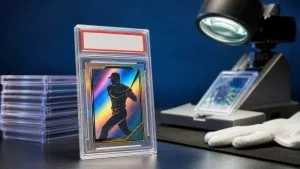
The Golden Rules: Signs That Your Card Is Worth Grading
If you're grading a card to sell it, the potential increase in value needs to outweigh the grading costs. However, there are other factors to keep in mind as well. It’s such a personal decision that sometimes resale value isn't the main consideration.
Authenticating and protecting a card might matter more to you, especially if you have no plans to sell your collection. Here are a few signs that your card could be worth grading:
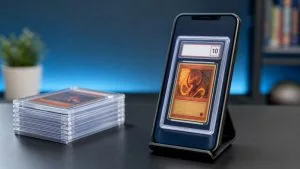
Vintage cards can be worth grading, especially if they're rare or in great condition. Even if a card receives a PSA 5, for example, it could still attract interest from collectors.
This is because certain vintage cards are sought-after regardless of their condition, while professional authentication can give buyers more confidence.
💰The Raw Card Has a High Value
If your ungraded card is already valuable, that's a good reason to consider professional grading.
You can check its raw value by looking at recent auctions and sold prices. Keep in mind that actual sales matter more than asking prices. A collector listing a raw card for $5,000 doesn't automatically make it worth $5,000.
📈Graded Copies Sell for Significantly More
Look at recent sold prices of your card in a few different graded conditions. Pay more attention to the grades you realistically think your card could receive, then compare these prices with raw copies.
For example, if a raw card sells for $100 and a PSA 9 sells for $500, grading could be worthwhile once you've factored in the fees and other costs. Just remember that there's no guarantee your card will receive a PSA 9.
🚀You Want to Make Your Card Easier to Sell
Professional grading can make a card more appealing to buyers by confirming its authenticity and providing an independent assessment of its condition. This can reduce some of the uncertainty associated with buying raw cards, particularly expensive or rare collectibles.
However, grading doesn't guarantee a faster sale, so it's still worth comparing the potential resale value against the upfront costs.
When Grading Your Card Isn’t Worth the Hassle
Grading a trading card isn't always necessary or even worth it. Here are four situations where keeping your card raw might be the better option:
Cost of Grading Is Higher Than the Value Increase
Grading doesn't guarantee that your card will be worth more, especially if it receives a lower grade. You will need to consider the grading fee and any shipping costs that you need to pay upfront. You may also decide to take out insurance to cover loss or damage during shipping.
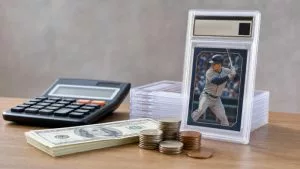
When you've factored in all of these costs, you need to make sure that the expected increase in value is enough to cover them. Otherwise, grading might not make financial sense if you're planning to sell.
Low Raw Value
Got a few 2025 base cards in your collection? It's probably worth leaving them raw, because the cost of grading can exceed the value of mass-produced cards. If you want to be sure, check out recent sale prices. If a raw card sells for almost as much as a graded copy, grading might not be worth the additional expense.
You're Only Interested in Protecting Your Card
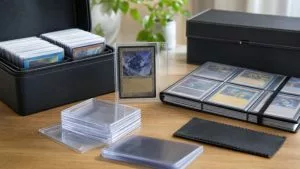
If you don't particularly want your card authenticated or you aren't looking to potentially increase its value, there's a much easier solution. You can protect your trading cards at home without paying for professional grading, shipping or insurance. Protective cases or sleeves are suitable for most raw cards and can help prevent everyday handling damage.
Your Card Is Common and in Poor Condition
If your card is common and in poor condition, it's usually not worth grading. If your card has noticeable scratches, corner wear, centering issues, creasing, or damage to the edges, it's likely to receive a lower grade. However, rare or historically significant cards can still be worth authenticating and grading despite visible damage.
Before paying for grading, it's worth checking your card for visible flaws that could affect its final grade. Here's what to look for:
| Card Feature | What to Look For | How to Check |
Conclusion: Grading Is All About Value and Authenticity
Deciding whether to grade your card comes down to its condition, rarity and what you hope to get out of it. If you're planning to sell, compare the potential increase in resale value with the upfront grading costs. However, grading can still be worthwhile if you're more interested in authenticating and protecting a valuable card for your personal collection.
If you want to learn more about the grading process or how much it costs, we've got you covered. You can also explore the card rip sites featured on this page if you're looking to add new collectibles to your collection.
FAQs
🃏Is It Worth Grading a Card If Its Condition Is Less Than GEM MINT 10?
Yes, it can be. Modern cards generally benefit more from high grades like PSA 9 or 10, while rare or vintage cards can still be valuable at lower grades. For example, the 1986 Fleer Michael Jordan rookie card remains sought-after even in lower grades. The important thing is to compare recent sale prices with the cost of grading.
📦Do I Have to Post My Card to Get It Professionally Graded?
Not necessarily. Some grading companies, including PSA, accept in-person submissions at designated events or submission centers. You can also explore
digital card grading, which uses technology to assess a card's condition. However, an online condition estimate isn't the same as professional grading and encapsulation, which generally requires the physical card.
💰What Is Upcharging in Card Grading?
Upcharging is when a grading company charges an additional fee because your card's assessed market value exceeds the value limit of your selected service tier. For example, PSA may move your submission to a higher-priced service level if it determines the card is worth more than the maximum insured value allowed under your original tier.
📉Can Grading Decrease a Trading Card's Value?
Yes. If a modern card receives a low grade, collectors may be willing to pay less for it than an ungraded copy in apparently good condition. Grading fees and shipping costs can also reduce your potential profit, even if the card sells for more after grading.
⏳Should You Grade a Card Before Selling It?
It depends on the card's rarity, condition and potential resale value. Grading can help buyers feel more confident about authenticity and condition, but it isn't always worth the additional expense or waiting time. Compare recent sales of raw and graded copies before deciding.
If you or someone you know is struggling to gamble responsibly, these free, confidential resources can help:

To make sure you get accurate and helpful information, this guide has been edited by
Mac Douglass
as part of our fact-checking process.
Advertiser disclosure


 Available with Dimers Pro