Layers of Protection for Your Trading Cards
There are several different ways to protect your trading cards, and the right option depends on the card and what you intend to do with it. For long-term protection, look for archival-safe, acid-free sleeves and holders designed for trading cards.
Using the right materials can help prevent damage and keep your collection in good condition. Here's a quick comparison of the main protection options before we look at each one in more detail:
| Protection | Best For | Main Use |
| Penny sleeves | Raw trading cards of all values | Basic protection against scratches and handling |
| Toploaders | Sleeved cards needing extra protection | Rigid storage and shipping |
| Semi-rigid card holders | Cards being submitted for grading | Protecting cards during grading submissions |
| Magnetic one-touch holders | Valuable cards and display pieces | Rigid protection and display |
| Graded slabs | Professionally graded cards | Encapsulation, protection and display |
Sleeves
Sleeves are the first layer of protection. They’re often called penny sleeves, thanks to their low cost. This is the minimum level of protection recommended for most raw trading cards.
The plastic is thin and flexible and typically leaves a little room around the card, making it easier to insert and remove without damaging the edges or corners. A penny sleeve helps protect the card's surface from scratches and handling damage before you place it inside a rigid or semi-rigid holder for extra protection.
Toploaders
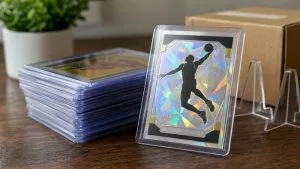
Toploaders are hard plastic shells with an open top where you can slide a sleeved card in. They come in a range of sizes to suit the varying thicknesses of different trading cards. These sizes are measured in points (pt), with 1pt equal to 0.001 inches of thickness.
- 35pt:
Standard size for most regular trading cards, including Pokémon, Yu-Gi-Oh! and base sports cards. Holds one sleeved card.
- 55–75pt:
A good option for slightly thicker cards, including certain premium inserts, thicker cardstock and thinner relic cards.
- 100pt:
Designed for thicker cards, including certain jersey, relic and memorabilia cards. Choose a holder that matches the thickness of the individual card.
- 130–180pt:
Useful for extra-thick relic and memorabilia cards like special-edition patches.
Semi-Rigid Card Holders
Semi-rigid card holders are also known as grading holders or card savers. Grading companies like PSA, CGC, and TAG recommend or require semi-rigid holders for card submissions. For example, PSA advises against using toploaders, screw-down holders or magnetic cases, while TAG requires specific semi-rigid holders.
Card savers are designed for safe extraction, as the flexible plastic allows the grader to gently remove the card by flexing the holder. In some cases, they may need to cut the side of the card holder to get the card out unscathed.
Always check the grading company's submission guidelines before sending your cards, as packaging requirements can differ.
Magnetic One-Touch Holders
These are hard plastic cases, made from two interlocking halves that snap together using a magnet. Unlike traditional screw-down holders, magnetic one-touch cases don't require any screws to secure your card.
These cases are particularly useful for high-value cards, since they cost more and are generally a little bulkier to store. However, many models offer built-in UV protection and recessed diamond corners that help protect the card's edges and corners. They’re a great way to protect and display your best trading cards.
Graded Slabs
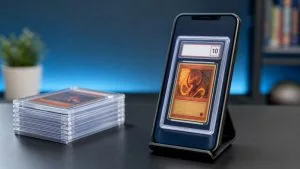
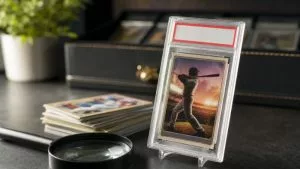
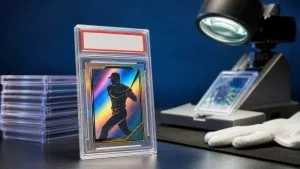
Graded slabs are sealed, rigid plastic cases used by professional grading companies like PSA, BGS and CGC. Once a card has been authenticated and graded, it's encapsulated in a protective holder with a label showing its grade, certification number and other identifying details.
These slabs help protect cards from everyday handling, scratches and accidental damage while making them easier to display or store. You can also use protective slab sleeves to prevent scratches on the cases themselves. However, slabs aren't completely damage-proof, so you should still keep them away from excessive heat, moisture and direct sunlight.
Organizing Your Trading Cards
Once your cards are properly protected, the next step is keeping your collection organized. Team bags, binders and storage boxes are some of the most common options, depending on the size of your collection and how often you need to access your cards.
Team Bags
Team bags provide an additional layer of protection for cards during shipping. These resealable plastic bags can hold small groups of cards or toploaders, helping protect them from dust, surface scratches and unnecessary movement.
They're also handy for organizing your collection into smaller groups or carrying cards to trading events. The number of cards each bag can hold depends on its size and whether your cards are sleeved or placed in protective holders.
Binders
Standard trading card binders are designed to hold raw or sleeved cards, but you can also get special binders that accommodate toploaders. This gives you an easy way to organize and browse your collection without constantly removing cards from their protective sleeves.
Look for binders with acid-free, non-PVC pages and pockets that fit your cards properly. Side-loading pockets and zippered covers can also help keep your cards secure, especially if you're taking your collection to trading events or considering
selling pulled cards.
It's also best to avoid O-ring binders, as the rings can press against cards and leave permanent indentations. Ringless binders are a safer choice, although D-ring binders are another option.
Storage Boxes
Storage boxes are a practical option if you've built up a larger collection and don't want to keep everything in binders. They come in different sizes, from small cardboard boxes for bulk cards to sturdier cases designed to accommodate toploaders and graded slabs.
You can also use dividers to separate cards by franchise, set, team or rarity, making it easier to find specific collectibles. Just make sure the box fits your cards and protective holders without squeezing them together, and keep it somewhere cool and dry.
For long-term storage, keep raw cards in protective sleeves and look for archival-safe, acid-free boxes, particularly when storing valuable collectibles.
5 Tips for Keeping Your Trading Cards in Pristine Condition
Aside from using protective layers, how you handle and store your trading cards can make a big difference to their condition. Here are five practical tips to help prevent unnecessary damage and keep your collection looking its best.
📦 Store Your Cards Properly
Keep cards upright in suitable storage boxes, with enough support to prevent them from leaning or bending. Avoid overpacking boxes or stacking heavy objects on top of your collection, as excess pressure can damage cards over time. Binders should also be stored carefully to avoid putting pressure on the cards inside.
🚫 Avoid Attics, Basements and Garages
Attics, basements and garages are often exposed to temperature changes and moisture, making them unsuitable for valuable trading card collections. Excess humidity can cause cards to warp or develop mold, while extreme heat can affect their condition. Choose a cool, dry room with a relatively stable temperature and aim for around 45–55% relative humidity. A small hygrometer can help you monitor humidity levels and identify any major fluctuations.
👐 Handle Your Cards With Care
Ideally, you should handle raw cards as little as possible. When you do, make sure your hands are clean and completely dry, and hold cards gently by their edges. Avoid touching the front or back surfaces, as fingerprints and skin oils can leave marks, particularly on glossy or holographic cards.
☀️ Keep Cards Away From Direct Sunlight
Direct sunlight can cause card artwork and colors to fade over time, even when cards are stored in protective holders. Keep your collection away from windows and other sources of prolonged UV exposure. If you display valuable cards, consider UV-resistant cases, but remember that these don't provide complete protection against sunlight.
🔍 Check Your Collection Regularly
Even properly stored cards benefit from an occasional inspection. Check for signs of moisture, warping, dust or damage to protective sleeves and holders. If you notice any problems, address the storage conditions and replace damaged protective materials before the issue gets worse.
Step-By-Step Guide to Trading Card Storage
Whether you've received cards from
digital card rips
or purchased them from another collector, proper storage helps protect their condition. Here's how to store your trading cards in five simple steps.
Check Your Cards:
Inspect your cards for existing damage and check their thickness so you can choose appropriately sized protective holders.
Add Penny Sleeves:
Carefully place each raw card into an acid-free, non-PVC penny sleeve to help prevent scratches and handling damage.
Choose a Protective Holder:
Place sleeved cards into appropriately sized toploaders or semi-rigid holders. If you're using a magnetic one-touch case, check whether it's designed for sleeved or unsleeved cards to avoid damaging your pulls.
Organize Your Collection:
Arrange your protected cards in suitable binders or storage boxes, grouping them by set, franchise, team or rarity.
Store Them Safely:
Keep your collection in a cool, dry and secure location away from direct sunlight. Avoid overpacking storage boxes or putting unnecessary pressure on your cards.
Final Thoughts: How to Keep Your Trading Cards Safe
Whether your passion is collectible sports cards, like baseball cards, or trading card games, like Pokémon, the chase is only half of the story. Once you're in possession of a card, proper storage is essential to protect its condition and preserve its value.
A penny sleeve is a good starting point for most raw cards, followed by a suitable toploader, semi-rigid holder or magnetic case, depending on the card and how you intend to store it. Keeping your collection away from excessive heat, moisture and sunlight will also help prevent long-term damage.
Now that you know how to protect your collection, why not explore digital card rips? You can open packs online, discover new cards and, depending on the platform, have your physical pulls shipped directly to your address.
FAQs
🏠 Is It Okay to Store Trading Cards in a Basement?
It's generally best to avoid storing trading cards in basements, as they're often exposed to excess moisture, temperature fluctuations and potential flooding. These conditions can cause cards to warp, stick together or develop mold. If you have no other option, make sure the space is climate-controlled and monitor humidity levels regularly.
📦 Can You Put a Trading Card in a Toploader Without a Penny Sleeve?
You shouldn't put a trading card directly into a toploader. Always use a penny sleeve first to help protect the card's surface from scratches and friction. The sleeve also makes it easier to slide the card in and out without damaging its edges or corners.
🔍 Will PSA Grade a Card If It's Sent in a Toploader?
PSA instructs collectors not to submit standard trading cards in toploaders. Instead, it recommends placing each card in a clear penny sleeve followed by a semi-rigid holder. This makes handling and removing the card easier while reducing the risk of damage during processing.
☀️ Can Sunlight Damage Trading Cards Inside Protective Cases?
Yes, prolonged exposure to sunlight can cause trading card artwork and colors to fade, even when cards are inside protective cases. Some protective cases offer UV protection, but this doesn't make the cards completely resistant to light damage. Keep valuable cards away from direct sunlight whenever possible.
💧 What Is the Best Humidity Level for Storing Trading Cards?
Aim for around 45–55% relative humidity when storing your trading cards. Keeping humidity levels relatively stable is important, as excess moisture can cause warping and mold. You can use a small hygrometer to monitor the conditions in your storage area.
If you or someone you know is struggling to gamble responsibly, these free, confidential resources can help:

To make sure you get accurate and helpful information, this guide has been edited by
Ryan Leaver
as part of our fact-checking process.
Advertiser disclosure


 Available with Dimers Pro