Rip It, Then Flip It: Your Step-By-Step Guide to Selling Pulled Cards
Before you attempt to sell your trading card, you're going to need a plan, especially if you're dealing with popular collectibles like
digital Marvel cards. Whether it's your first sale or you're looking to get a better price for your pulls, we've got your back.
1. Take a Closer Look at Your Cards
First up, you need to know what you've actually got. This means identifying your cards, checking their condition and finding out what they're worth. There are a few important details to look for:
| Card Feature | What to Look For |
2. To Grade, or Not to Grade
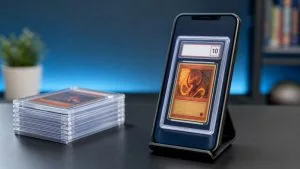
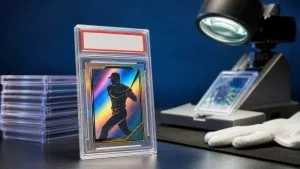
If you've pulled a raw card, it's worth considering whether grading it before selling could increase its resale value. Professional grading services like PSA, SGC and CGC assess a card's authenticity and condition, but submitting a card comes with additional costs and no guarantee of a higher selling price.
Before deciding, compare recent sales of raw and graded copies of the same card. Factor in grading fees, shipping costs and turnaround times, especially if you're hoping to sell quickly.
For a closer look at the factors to consider, check out our guide on
when a card is worth grading.
3. Decide Where to Sell Your Cards
Now you know more about the trading cards you've got in your collection, it's time to decide where to sell them. You might be able to sell directly through the rip platform, or you could list your cards on an external marketplace. The right choice depends on the platform's selling features and whether you're happy to handle the sale yourself.
Selling Through a Digital Rip Platform
Some card rip sites let you sell your pulls without requesting physical delivery first. Depending on the platform, you may have the following options:
- Instant buybacks:
Accept an offer from the platform for an eligible card. This can be quicker than finding a buyer yourself, although the offer may be lower than what you'd get elsewhere.
- Built-in marketplaces:
List your vaulted cards for other collectors to buy. You may be able to set your own asking price without handling the shipping yourself.
- Physical delivery:
Request your card to be shipped to you so you can sell it through an external marketplace or directly to another collector.
Not every site offers these features, so check the available selling options, fees and withdrawal terms before deciding.
Selling Through an External Marketplace
If you'd rather sell your cards independently, there are several established marketplaces worth considering:
| Marketplace | Typical Selling Fees | Best For |
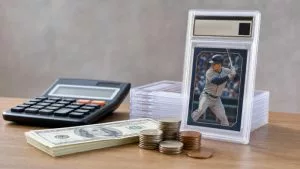
Fees vary depending on the seller's account, selling method and card category, so check the marketplace's current rates before listing. Remember to factor in any shipping, insurance or processing costs when comparing your options.
4. Create a Listing That Will Sell
Your listing needs to be accurate and thorough. The first thing buyers will likely see is the title, so make sure it includes the details collectors are searching for. A good title should include the card name, set, number, condition and grade (if applicable).
Here's a useful template: Year | Card Name | Set | Card Number | Parallel | Grade
For example:
1999 Pokémon Charizard Base Set Holo Unlimited 4/102 PSA 6 EX-MT
As for the description, you need to be honest. Misrepresenting a card can lead to refund requests, poor feedback and a loss of buyer trust. Always mention any defects or damage, even if they aren't obvious in the photographs.
Speaking of photographs, include clear images of the front and back of the card, along with close-ups of any noticeable wear. For raw cards, use good lighting and a plain background. If your card is graded, make sure the label and certification number are clearly visible.
When choosing a price, compare recent sold listings for the same card in a similar condition. If you're hoping for a quick sale, pricing competitively could help attract buyers. Otherwise, you can list closer to the current market value and wait for the right offer.
5. Ship It Like a Real Professional
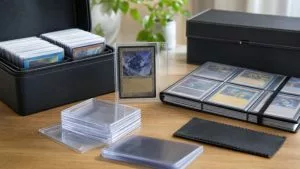
If you expect collectors to pay top dollar for your cards, you need to make sure they arrive safely. Start by placing raw cards in a penny sleeve and a suitably sized toploader or semi-rigid holder. Add cardboard support and secure everything inside a padded mailer or sturdy box to prevent movement during transit.
Don't cut corners to save a few bucks. Factor packaging and shipping costs into your asking price, and consider using a tracked delivery service. For expensive cards, insurance and signature confirmation may also be worthwhile.
If you're selling through a digital rip platform that handles fulfilment, check its shipping policies before requesting delivery or completing a sale. Tracking and insurance can offer additional protection, but they don't guarantee reimbursement if something goes wrong.
What's the Best Way to Sell Your Pulled Cards?
Not sure which selling method is right for you? It depends on whether you're looking for a quick sale, want to set your own price or would rather have someone else handle the process. Here's a quick comparison to help you weigh up your options.
| Selling Method | Best For | What to Consider |
| Instant buyback | Selling eligible pulls quickly | Offers may be lower than marketplace prices |
| Fixed-price listing | Sellers who want to set their own price | Finding a buyer can take time |
| Auction | Cards with strong collector demand | The final selling price isn't guaranteed |
| Consignment | Sellers who prefer someone else to handle listings and fulfilment | Service fees can reduce your payout |
There's no single best way to sell every card. A buyback could make sense for an unwanted pull you want to sell quickly, while a fixed-price listing might be better if you're happy to wait for the right buyer. Ultimately, the right method depends on whether convenience or control over the selling price matters more to you.
Avoid These Common Mistakes When Selling Your Trading Cards
We've covered the main steps for selling cards you've pulled online, but there are a few mistakes that can eat into your earnings or make a sale more difficult:
- Overlooking selling fees:
Marketplace commissions, payment processing fees and shipping costs can quickly add up. Check what you'll actually receive after expenses before accepting an offer.
- Misidentifying card variants:
A standard card and a rare parallel might look similar but sell for very different prices. Double-check the set, card number and variation before listing.
- Relying on asking prices:
Just because someone lists a card for $500 doesn't mean it's worth that much. Compare recent completed sales, particularly sold listings, to see what buyers are actually paying.
- Accepting a buyback too quickly:
Instant buybacks can be convenient, but the offer might be lower than what you'd receive through a marketplace. Compare the amount you'd actually keep after fees before deciding.
Conclusion: Selling Your Online Card Pulls
Online rip sites can be an exciting way to build your collection, but they also give you the option to sell unwanted cards. By checking their condition, comparing recent sold prices and understanding the fees involved, you can decide whether selling is worthwhile. From there, it's about choosing the right option, whether that's accepting a platform buyback, using a built-in marketplace or selling the card independently.
Now you've got a better idea of how to sell your trading cards, it's time to put that knowledge to use. If you're interested in exploring a new card rip site, take a look at the platforms featured in the promotional banners on this page.
FAQs
🃏 Should I Grade Every Card I Pull Online Before Selling?
No, not every card is worth grading. Compare the card's raw and potential graded value, condition and rarity before deciding. Grading can make sense for valuable cards, but the fees may outweigh any resale increase, particularly with common or mass-produced cards.
📦 How Do I Lower the Shipping Fees I Pay When Selling Cards?
Compare shipping services, use appropriately sized packaging and avoid paying for unnecessary extras. You can also charge buyers separately for shipping, although the total price still needs to be competitive. For valuable cards, don't sacrifice adequate protection or tracking just to save money.
💰 How Do I Find Out the Value of My Card?
Check recent sold listings on marketplaces like eBay. Look for the exact card, including its set, number, variation and condition. If your card is graded, compare sales with the same grade where possible. Actual sale prices are a better indication of market value than asking prices.
💳 Can I Sell Pulled Cards Directly Back to a Card Rip Site?
Sometimes. Certain digital rip platforms offer instant buybacks for eligible cards, allowing you to accept an offer without finding another buyer. However, not every platform offers this feature, and the amount offered may be lower than what you could receive through an independent sale.
📱 Do I Need to Receive My Physical Cards Before Selling Them?
Not always. Some digital rip platforms let you sell cards directly from their storage vaults through built-in marketplaces. If your platform doesn't offer that option, you may need to request physical delivery before listing the cards elsewhere. Check the site's selling, storage and shipping terms first.
If you or someone you know is struggling to gamble responsibly, these free, confidential resources can help:

To make sure you get accurate and helpful information, this guide has been edited by
Mac Douglass
as part of our fact-checking process.
Advertiser disclosure


 Available with Dimers Pro