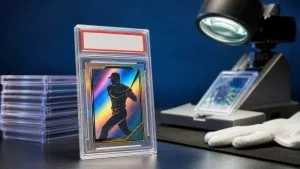
What Are Digital Trading Cards?
Digital trading cards are collectibles you can view and manage online through a website or app. These include virtual collectibles from games and apps, such as Pokémon and Yu-Gi-Oh!, as well as cards you can view and manage online after opening physical packs through digital rip sites.
In the past, collectors bought packs from hobby stores and ripped them to reveal random cards, which they'd then keep in binders or storage cases. But technology has evolved, and so has card collecting.
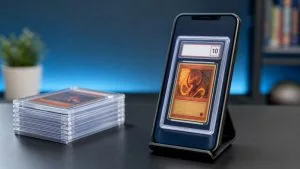
With digital card rips, you purchase and open packs online to reveal physical cards from collections such as Pokémon, One Piece, Yu-Gi-Oh! and sports trading cards. Your pulls are added to your online collection, where you can view details such as the card's year, set and, where available, estimated market value.
Depending on the platform, you can keep your physical cards in secure storage, sell or trade them, or request delivery to your address. Some platforms also use NFTs to represent cards or associated ownership rights, but blockchain technology isn't necessarily required for digital rips.
Digital Vs Physical Trading Cards
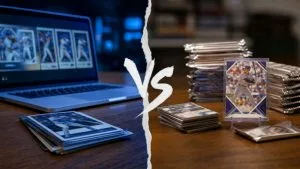
Digital and physical trading cards have their hits and misses, and it all comes down to your preference when choosing one. Digital-only trading cards exist electronically, while physical trading cards are real, printed collectibles that you can hold or store.
However, opening physical packs through a digital rip site doesn't make the cards themselves digital. You can still request shipping to your address if the platform offers it.
Digital cards can’t be scratched or bent because they can't be held by hand, whereas physical cards can be exposed to wear and tear. On the upside, you can hold and display physical cards as part of your collection.
For context, here’s a summary of the differences between digital and physical trading cards:
| Digital Trading Cards | Physical Trading Cards |
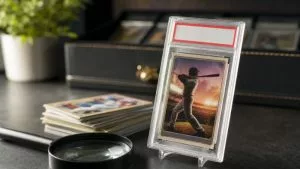
| Only exist electronically in apps, games, or websites | Real, printed cards you can hold. They could be raw or sealed in graded slabs |
| Safe from physical damage and remain in pristine condition | Can be exposed to scratches, bending, loss, or theft |
| Purchased through apps, websites, or digital marketplaces | Purchased from hobby stores, online marketplaces, or other collectors |
| Viewed through an app, website or compatible digital wallet | Stored in binders, sleeves, protective cases or vaults |
| Ownership and transfers are online with no physical card to ship | Can be collected in person or shipped to your address if you choose |
What Can You Do with Digital Trading Cards?
There’s more to digital trading cards than just building a collection. Depending on the platform, you can trade duplicates, buy and sell individual cards, and manage your collection online without taking up physical storage space. Next, let's take a look at what you can do with these cards.
Build an Online Portfolio
One reason collectors go for digital trading cards is to build a brag-worthy portfolio of their favorite cards. Depending on the site or app, you can collect cards from popular franchises such as Magic: The Gathering, Pokémon TCG, and Yu-Gi-Oh! This gives you plenty of options to build a collection that suits your preferences.
Trade Your Duplicates
If you pull duplicates or an unwanted card, you're not stuck with it. If the platform supports trading, you can swap your cards with other collectors. One major upside is that you don't have to worry about physically shipping the card, as ownership can be transferred online.
Buy and Sell Individual Cards
Some digital rip sites have marketplaces where you can buy and sell cards with other collectors. This can be useful if you want to sell unwanted pulls or purchase specific cards for your collection. You can also explore
live card breaks
as another way to collect physical trading cards online.
Save on Storage Space
Not everyone wants to have stacks of card cases and binders. With your collection online, you don’t have to worry about using up your space. You'll still be able to view and enjoy your cards on your mobile device or computer while keeping physical pulls protected from everyday wear and tear in the platform's secure storage facilities.
Where Can You Find Digital Trading Cards?
There’s no shortage of options for finding digital trading cards, from redeemable codes in physical packs to online card rip sites and collectible card games. Depending on the platform, you can purchase cards directly or earn them through gameplay. Here's a closer look at where to find them.
QR Codes Within Physical Packs
Some physical trading card packs come with QR codes that you can redeem for digital cards or packs through a game or app. For example, Pokémon TCG packs include codes that can unlock digital booster packs in Pokémon TCG Live.
Card Rip Sites
Card rip sites let you buy and open packs online to reveal your cards. Some offer digital-only collectibles, while others let you pull real, physical trading cards. You could also decide to keep physical pulls from online card rips in the site’s secure vaults. These cards remain physical, but you can view and manage them through your online collection or NFTs linked to your card, where supported.
Playable Card Games and Fantasy Sports NFTs
Nothing quite beats the fun and satisfaction of collecting digital cards through online card games or earning them as in-game rewards. Some fantasy sports sites also offer NFT player cards you can collect, trade, or use to square off against other collectors in competitions.
Digital Card Marketplaces
You can also purchase digital trading cards directly through online marketplaces rather than opening packs or earning them in games. Depending on the marketplace, you can browse cards from other collectors, compare prices, and purchase specific collectibles to add to your collection. Some platforms specialise in NFTs, so you may need a compatible digital wallet.
How to Build a Digital Trading Card Portfolio
Let's take you through the steps on how to
rip cards online
and build your digital trading card portfolio.
-
Choose a Reputable Site:
Select a trusted site or app and create your account. The banners around this page feature some of the best sites
-
Check for Welcome Bonuses:
Look for any available welcome offers and check their terms before claiming.
-
Pick Your Collection:
Choose any game or franchise you want to collect
-
Fund Your Account:
Use a supported payment method to add funds to your account. You can also buy packs directly if you prefer
-
Purchase a Pack:
Purchase a digital pack that interests you after checking the possible pulls and your chances of getting each card.
-
Manage Your Pulls:
Post-rip, decide whether to keep, request shipping for, sell, or trade your cards, depending on the platform's features.
-
Track Your Collection:
View your collection online and keep track of your portfolio
Top Tips to Get More Out of Your Digital Trading Card Experience
Building a digital trading card collection is fairly straightforward, but a few things are worth checking before you start opening packs. Here are five tips to help you choose the right platforms, protect your collection and avoid unnecessary costs.
🛠️ Use Legit and Credible Digital Card Rip Sites
Before buying packs, check the site's reputation, customer reviews, shipping policies and how it stores physical cards. Make sure you understand how to access or withdraw your pulls, too.
🎯 Check Pull Odds Before Buying
Before purchasing a pack, check which cards you could pull and your chances of getting them. Some rip sites provide card checklists and pull odds, so you can see what's available before spending your money. Remember, rare cards generally have lower pull chances.
It's quite easy to get caught up in the fun of digital card rips. So set a spending limit and stick to it. Remember that pulls are random, and buying more packs doesn't guarantee you'll get the card you want.
🔍 Check Card Values Before Selling
Pulled a card you're thinking of selling? Check recent sales of the same card before accepting a buyback offer or listing it on a marketplace. Pay attention to the card's condition, grading and rarity, as these can affect its resale value. Don't assume the highest asking price reflects what collectors are actually paying.
📋 Check Fees and Transfer Rules
Check fees and transfer rules before selling or transferring your cards. Some platforms charge for shipping, marketplace transactions or withdrawing physical cards from storage, so make sure you know what you'll pay beforehand.
Conclusion: Digital Trading Cards Are Worth Collecting
As you've seen, digital trading cards give you another way to enjoy collecting, whether you're building a virtual collection or managing physical pulls online. You can collect cards from your favorite franchises, view them on your phone and, depending on the platform, trade or sell unwanted pulls.
There are many different ways to get started, from redeeming codes in physical packs to playing collectible card games or opening packs through digital rip sites. If you're unsure where to start, the banners on this page feature card rip platforms worth exploring.
FAQs
🃏 What Are Digital Card Rips?
Digital card rips involve purchasing and opening a pack via a website or app to reveal the cards it contains. Depending on the platform, these may be digital-only collectibles or physical cards that you can store or request to have shipped to your address.
📦 Can Digital Trading Cards Be Shipped?
Digital-only trading cards can't be shipped because they exist electronically. However, if you've opened physical cards through a digital rip site, you may be able to request shipping to your address. It depends on the platform's delivery options.
💸 Can I Buy or Sell Digital Trading Cards?
Yes, depending on the platform. Some sites have marketplaces where you can buy and sell individual cards with other collectors, while others offer buyback options. Check which features are available before signing up.
🔗 Do All Digital Trading Cards Use Blockchain?
No, not all digital cards are recorded on-chain. Some do use NFTs on the blockchain, while others are managed entirely through the game or app.
🎥 How Do Live Card Breaks Work?
You buy a spot in a live card break, where a host opens physical trading card packs or boxes on camera. The cards are then allocated to participants based on the break's rules, such as assigned teams or divisions. Your pulls can then be shipped to you.
If you or someone you know is struggling to gamble responsibly, these free, confidential resources can help:

To make sure you get accurate and helpful information, this guide has been edited by
Ryan Leaver
as part of our fact-checking process.
Advertiser disclosure


 Available with Dimers Pro