How Do the Experts Grade Digital Trading Cards?
We just wrapped up a session of
digital Disney card rips, and one thing caught our eye. Many of the big hitters in the packs we were opening had a professional grade, usually from PSA, but BGS and CGC also featured. It got us thinking: how do these independent companies actually grade trading cards?
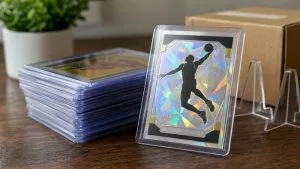
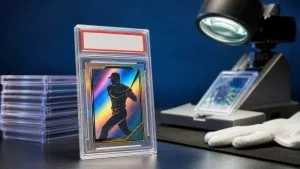
Professional graders inspect physical cards for imperfections, often using magnification and controlled lighting to examine four main factors:
- Centering:
How evenly the card's design sits within its borders.
- Corners:
Signs of whitening, rounding or other damage.
- Edges:
Chipping, rough cuts or other imperfections.
- Surface:
Scratches, print lines, stains, dents, creases or other marks.
These findings help determine the card's overall grade, although each company applies its own grading standards. And once the card has been graded and authenticated, it can be sealed in a protective holder with its grade displayed on the label.
These experts leave no stone unturned. Or, in this case, no card unturned!
How Does the Grading Scale Work?
The big names in card grading, PSA, BGS and CGC, use a scale from 1 to 10 to assess a trading card's condition. Generally, the higher the number, the better the condition. However, each company has its own grading standards and labels, so a 9.5 or 10 doesn't always mean exactly the same thing.
For example, PSA calls its highest grade Gem Mint 10, while BGS uses Pristine 10 and Gem Mint 9.5. CGC also distinguishes between Pristine 10 and Gem Mint 10. Cards in these top categories have very few imperfections, while lower grades allow progressively more wear.
Here's a quick look at how some of the higher grades compare:
| Grade | PSA | BGS | CGC |
| 10 | Gem Mint | Pristine | Pristine or Gem Mint |
| 9.5 | Not used | Gem Mint | Mint+ |
| 9 | Mint | Mint | Mint |
| 8 | Near Mint-Mint | Near Mint-Mint | Near Mint-Mint |
| 7 | Near Mint | Near Mint | Near Mint |
Oh, and one more thing we picked up: BGS offers subgrades for centering, corners, edges and surface. These provide a more detailed breakdown of a card's condition and contribute to its overall grade. PSA uses a single overall grade, while CGC no longer offers subgrades.
Remember, even cards with the same numerical grade can look slightly different because each grading company applies its own standards.
How Does a Professional Grade Impact a Card's Fair Market Value?
Generally, the higher the grade, the more collectors may be willing to pay. A Gem Mint 10 can fetch a much higher price than the exact same card graded a 7, even if the differences are barely visible to the naked eye.
That said, it's not just about the number. Rarity, demand, character popularity, and recent sales still play an important part in deciding what a card's worth. If there are thousands of copies available or very little interest from buyers, even a flawless card might struggle to command a high price.
Is It Worth Grading Your Own Trading Cards?
Knowing whether a
card is worth grading
can be tricky. It comes down to factors like rarity, condition, collector demand and potential resale value. You'll also need to weigh up the grading fees, as even a valuable card isn't necessarily worth submitting.
One advantage of some digital rip sites is that you can pull physical cards that have already been professionally graded. This means you can add graded collectibles to your collection without having to arrange the grading process yourself. Just remember that not every platform or pack offers pre-graded cards.
How to Prepare Your Cards for a Grading Review
If you're thinking about submitting a card for grading, start by inspecting it yourself. Look for scratches, worn corners, uneven borders and other imperfections that could affect its final grade. Visible damage doesn't automatically make grading a bad idea, especially if the card is rare or valuable.
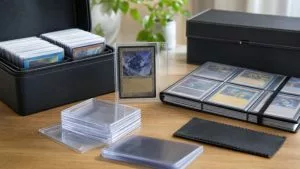
Once you're ready to submit, place the card in a clean penny sleeve and an appropriate semi-rigid holder, provided this matches your grading company's requirements. Check its submission instructions carefully, including packaging, shipping and insurance options. Following these guidelines can help protect your card while it's on its way to the graders.
Which Professional Grading Company Should You Choose?
As we've explained how digital card grading works, three names have kept popping up: PSA, BGS and CGC. There are other players in the game, like SGC and TAG, but these three are among the best-known grading companies among collectors.
Each company has its own grading standards, labels and service options. For example, BGS is known for its detailed subgrades, while PSA uses a single overall grade. Here's a quick look at what distinguishes the three:
| Grading Company | Grading Approach | Key Feature |
| PSA | Overall grade from 1 to 10 | Recognisable red-label slabs |
| BGS | Grades from 1 to 10, including half-points | Detailed subgrades for centering, corners, edges and surface |
| CGC | Overall grade from 1 to 10 | Distinguishes Pristine 10 from Gem Mint 10 |
Which one you choose depends on what matters most to you, whether that's the grading standards, presentation or available services. Remember to check current fees and turnaround times before submitting, as these can change.
Final Take: Does Digital Card Grading Matter?
The short answer is yes. Professional grading gives collectors a clearer understanding of a physical card's authenticity and condition, even when it's pulled through a digital rip site. Companies like PSA, BGS and CGC assess centering, corners, edges and surface before assigning a grade. Higher grades can make cards more desirable, although rarity and collector demand still influence their market value.
Some digital rip platforms also offer cards that have already been professionally graded, saving collectors the trouble of arranging the process themselves. If you're interested in adding graded cards to your collection, you can explore the card rip sites featured in the promotional banners on this page.
FAQs
💸 How Much Does Card Grading Cost?
Grading fees depend on the company, service level, card value and turnaround time. Some services also have additional charges for shipping, insurance or higher-value cards. Check the grading company's current fees before submitting.
⏰ How Long Does It Take to Receive a Grade for Your Trading Card?
Turnaround times vary depending on the grading company, service tier and current demand. Budget services can take several weeks or longer, while express options may be considerably faster. Remember to account for shipping time as well.
🔎 Can Graded Cards Be Fake?
Yes. Counterfeit grading labels, holders and certification numbers do exist. You can check a card's certification number through the grading company's official website, but this alone doesn't guarantee authenticity. Compare the card and holder with the company's records and inspect them for signs of tampering.
🃏 Are Cards Pulled from Digital Rip Sites Already Graded?
Some are. Certain digital rip platforms offer physical cards that have already been professionally graded by companies like PSA, BGS or CGC. However, others offer raw cards or digital-only collectibles. Check the pack details to see exactly what you're getting.
💻 Are Cards from Digital Rip Sites Graded Differently?
No. Physical trading cards obtained through digital rip sites are graded using the same professional standards as other physical cards. If a platform offers pre-graded pulls from PSA, BGS or CGC, those cards have already been assessed by the grading company. The online ripping process doesn't change how the physical card is graded.
If you or someone you know is struggling to gamble responsibly, these free, confidential resources can help:

To make sure you get accurate and helpful information, this guide has been edited by
Jason Bevilacqua
as part of our fact-checking process.
Advertiser disclosure


 Available with Dimers Pro