Nov 19, 2026
America's top 10 sports betting and prediction market brands ranked for 2026
Read Article 
California voters said no to sports betting, but one tribe has opened a sportsbook anyway. What happens now?
A California tribe has opened a retail sportsbook at its casino despite sports betting remaining unauthorized across the state, raising questions about tribal sovereignty and whether other casinos could follow.
The Pauma Band of Luiseño Indians launched the Pauma Sportsbook at Casino Pauma on November 12, allowing visitors aged 18 and older to place real-money bets on professional and college sports.
The opening is particularly notable because California voters rejected two competing sports betting proposals in 2022, and no subsequent statewide legalization has taken place.
While the tribe is presenting the launch as an exercise of its sovereign authority, the precise legal basis for offering sports betting without a new state authorization remains unclear.
That uncertainty could make Casino Pauma an important test case for the future of sports wagering on tribal land in California.
According to the casino's official launch announcement, customers can place bets using self-service kiosks located on the casino floor.
The process is relatively straightforward:
The announcement lists eight self-service kiosks, although reporting from InGame described six kiosks near a repurposed sports bar with a wall of televisions.
Available markets reportedly include major professional and college team sports, MMA, boxing, golf, soccer, and tennis, with live betting also offered.
The sportsbook is currently limited to the physical casino property. Casino Pauma says it plans to introduce mobile wagering this winter, although customers would only be able to place bets while physically on the property.
The tribe worked with Las Vegas-based advisory firm SCCG Management on the launch.
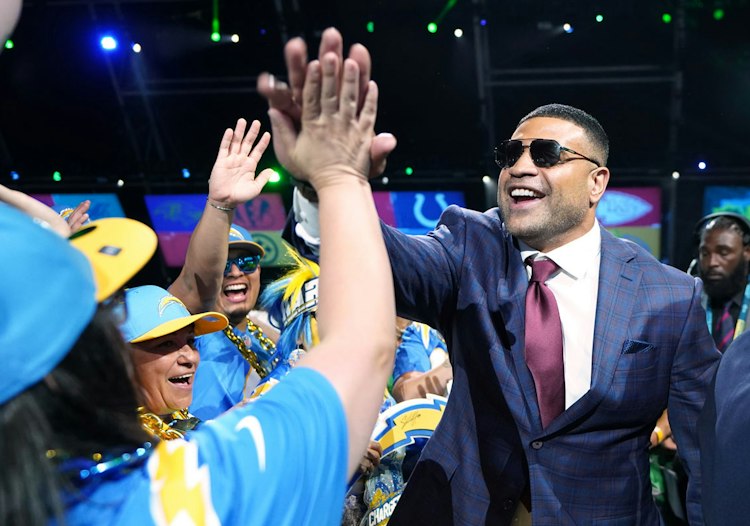
Former San Diego Chargers linebacker Shawne Merriman placed the first official wager during the opening ceremony.
This is the central question surrounding the launch.
California remains one of the largest potential sports betting markets in the United States, but voters rejected legalization proposals in November 2022.
One proposal would have permitted in-person sports betting at tribal casinos and certain racetracks. The other would have authorized online sports wagering through licensed operators.
Neither passed.
Tribal gaming operates under a separate framework established by the federal Indian Gaming Regulatory Act (IGRA), which recognizes tribal authority over gaming on eligible Indian lands while imposing requirements for different classes of gaming.
Sports wagering is generally treated as Class III gaming, which typically requires an approved tribal-state compact or applicable federal procedures, alongside the necessary legal authorization.
Casino Pauma operates under federal secretarial procedures rather than a conventional tribal-state compact, according to California's gaming regulatory records.
That distinction could be relevant to the tribe's position, but it doesn't by itself establish that sports betting is authorized.
As InGame reported, no publicly identified legislative or regulatory change appeared to explain why the sportsbook could begin operating.
The casino's announcement also does not set out a detailed legal justification.
The opening therefore raises a question that may ultimately require a response from state or federal authorities: does the tribe's existing gaming authority extend to sports betting despite California's broader prohibition?
The Pauma Band has framed the sportsbook as an expression of its right to govern its own affairs and pursue economic opportunities.
Tribal Chairman Temet Majel said the decision reflected the tribe's responsibility to support its members, strengthen its government, and guide its business enterprises.
Casino Pauma General Manager Oscar Garcia also described the opening as a milestone for the tribe, crediting collaboration between tribal leadership, regulatory partners, and sportsbook operators.
But tribal sovereignty and the requirements of federal gaming law are not necessarily interchangeable.
Tribes have substantial rights to regulate gaming on their lands, yet Class III gaming remains subject to the legal framework established by IGRA.
The question is whether Casino Pauma's particular regulatory arrangements provide the authority needed to offer sports betting.
That remains unresolved based on the publicly available information accompanying the launch.
Casino Pauma's decision could attract considerable attention from other tribal gaming operators.
California has a substantial tribal casino industry, and tribes have long viewed sports betting as a potential opportunity to expand their gaming businesses.
However, the Pauma opening does not change statewide law or automatically authorize other tribal casinos to introduce sportsbooks.
Different tribes may operate under different gaming agreements or federal procedures, and the legal position of one casino does not necessarily extend to another.
The wider tribal gaming industry has also been pursuing a more coordinated approach to legalization.
According to InGame, California tribes are considering a new ballot initiative for 2028 that could authorize both in-person and digital sports wagering.
A successful statewide initiative could provide a clearer framework for operators and customers.
In the meantime, Casino Pauma's launch creates an unusual situation: sports bets are being accepted at one tribal venue while the broader state remains without legalized sports wagering.
The most immediate question is whether California officials or federal gaming regulators will respond to the launch.
There are several possibilities.
Regulators could seek clarification of the tribe's legal authority, challenge the operation, or determine that no immediate intervention is necessary.
Other tribes could also examine Casino Pauma's approach, although following its example without clear authorization could carry legal risks.
For customers, the practical situation is more limited.
The Pauma Sportsbook is accepting wagers from eligible visitors at Casino Pauma, but that doesn't mean sports betting has become generally legal across California.
Nor does the planned introduction of on-property mobile wagering mean statewide online betting is coming.
The longer-term issue is whether this launch becomes an isolated development or the beginning of a wider debate over tribal authority to offer sports wagering before California voters approve a new legal framework.
For now, Casino Pauma is welcoming sports bettors. Whether other California casinos can follow, and whether regulators will allow the operation to continue, are the questions that matter next.
Sports wagering carries a risk of financial loss. Only bet what you can afford to lose. For support, visit Dimers' responsible gambling resources.


Damien Souness is Chief Experience Officer at Cipher Sports Technology Group, helping lead sports media brands such as Dimers. He specializes in creating trustworthy and data-driven content for sports fans, with experience working for globally recognized sports and media organizations.