Nov 4, 2026
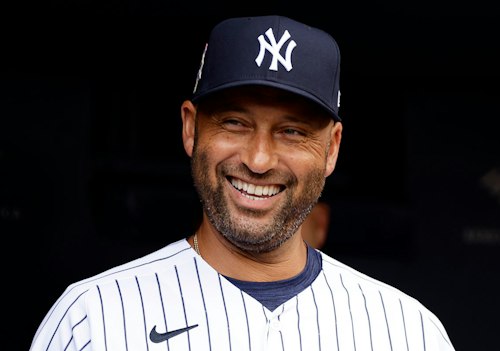
FanDuel is testing digital card rips through Derek Jeter's Arena Club
Read Article 
Nebraska voters rejected online sports betting, but leadership changes in other states could create new opportunities for gambling expansion.
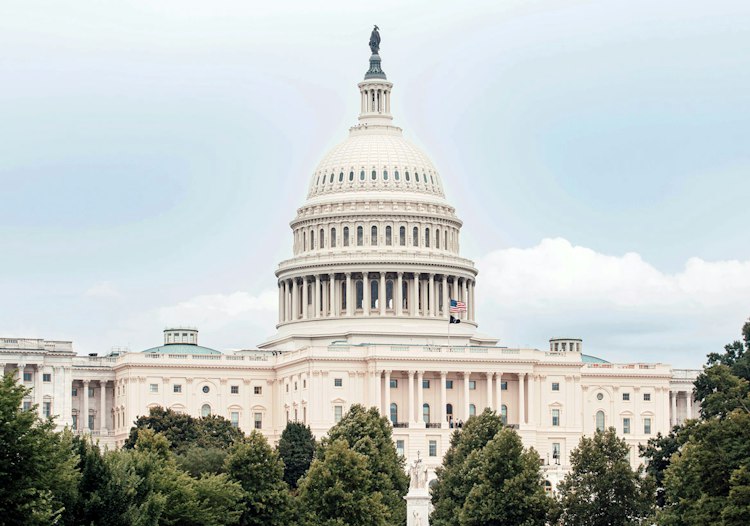
Nebraska voters rejected online sports betting in Tuesday's midterm elections, but results elsewhere could create new opportunities for gambling expansion across the US.
Leadership changes in Texas, Ohio, and several other states may remove political obstacles that have prevented sports betting and online casino legislation from advancing.
The election delivered few immediate legalization wins, but it put new decision-makers in several key states.
Meanwhile, prediction market operators such as Kalshi and Polymarket could face greater scrutiny in Washington.
Nebraska voters rejected two ballot measures seeking to legalize and regulate online sports wagering, according to unofficial election results reported by the Nebraska Examiner.
Supporters argued that legalization would keep betting revenue within Nebraska rather than sending it to neighboring states where mobile wagering is permitted. They also promoted the potential for additional property tax relief.
Opponents questioned whether those benefits would outweigh the social costs of expanded gambling access.
DraftKings and FanDuel each contributed more than $10 million to the legalization campaign, according to campaign finance filings.
Nebraska will continue to permit sports betting at authorized retail locations, but state-licensed online sportsbooks remain prohibited.
Prediction markets operate under a different regulatory framework, meaning the ballot result does not itself prevent Nebraskans from accessing federally regulated sports event contracts.
Texas may have experienced the most significant political shift for the sports betting industry.
Democrats Gina Hinojosa and Vikki Goodwin won the governor's and lieutenant governor's races, replacing Republicans Greg Abbott and Dan Patrick.
Patrick had been a major obstacle to gambling expansion, repeatedly blocking sports betting legislation from advancing through the Texas Senate.
Goodwin has previously supported allowing Texans to vote on legalizing sports betting and casinos. Hinojosa's position is less clear. As a state representative, she voted against the sports betting constitutional amendment that passed the Texas House in 2023.
Legalization remains far from guaranteed, but the change in leadership creates an opportunity that previously didn't exist.
The Texas Legislature returns in 2027.
Several other election results could improve the prospects of sports betting or online casino expansion.
None of these outcomes guarantees legalization. Each state would still need to resolve questions around licensing, taxation, regulation, and consumer protection.
While traditional sportsbooks may benefit from changes in state leadership, prediction markets could face increased scrutiny in Congress.
As Front Office Sports reported ahead of the midterms, lawmakers from both parties have raised concerns about the rapid growth of platforms such as Kalshi and Polymarket.
Potential areas of scrutiny include the oversight of the Commodity Futures Trading Commission, political event contracts, insider information, and the distinction between federally regulated event contracts and state-regulated gambling.
Greater congressional attention doesn't necessarily mean new restrictions, but it could force prediction market operators to defend their business models and consumer protections more directly.
For bettors, the election results don't immediately change where state-licensed online sportsbooks or casinos are legally available.
Nebraska's rejection is a clear setback, while Texas represents a potentially significant opportunity when lawmakers return in 2027.
Other states may also revisit legislation that previously struggled to gain support.
For traditional sportsbooks, new opportunities may be emerging. For prediction markets, the political environment could be getting considerably more difficult.


Damien Souness is Chief Experience Officer at Cipher Sports Technology Group, helping lead sports media brands such as Dimers. He specializes in creating trustworthy and data-driven content for sports fans, with experience working for globally recognized sports and media organizations.