Oct 14, 2026
Why the NBA and WNBA are warning fans about prediction markets
Read Article 
Digital rips are bringing the excitement of opening trading card packs online. Here's how they work.
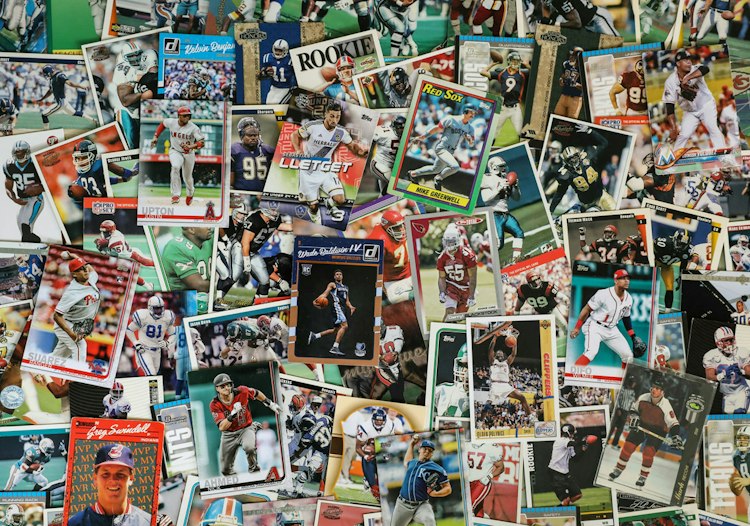
Opening a pack of sports cards has always come with an element of surprise. You might find an ordinary card worth a few dollars or uncover a rare collectible worth hundreds or even thousands.
Now, that experience is moving online.
PrizePicks became the latest major sports gaming company to enter the digital card ripping market on October 14, following the launch of a similar product by Underdog in September.
Both companies are tapping into a growing market that combines traditional sports card collecting with the convenience and excitement of mobile gaming.
But what exactly are digital rips, how do they work, and what happens if you pull a valuable card?
Digital rips are a way to purchase and open mystery packs of collectible trading cards online.
The concept is similar to buying a physical pack of basketball, football, baseball, or Pokémon cards. You pay a fixed price without knowing exactly which cards you'll receive.
The difference is that everything happens digitally.
Instead of tearing open a physical wrapper, you select a pack on a website or app, pay for it, and reveal your card on screen.
Here's the important part: The card you receive is real, not just a digital collectible.
On platforms such as PrizePicks and Underdog, the physical card already exists and is held in storage. When you open a digital pack, you're assigned one of those cards.
You can then choose whether to receive the physical card or, where offered, sell it back to the platform.
Although the exact process varies between platforms, most digital ripping experiences follow five basic steps.
Start by selecting a digital pack at a price you're comfortable paying.
Different packs offer different potential cards, values, and odds.
For example, a $10 pack might contain mostly lower-value cards, alongside a smaller number of rare cards worth considerably more.
Generally, more expensive packs offer access to different pools of collectibles, but paying more doesn't guarantee that the card you receive will be worth more than you spent.
Before purchasing, you can typically see information about the possible cards or value tiers available.
Some platforms display the probability of receiving cards within different price ranges.
For example, imagine a hypothetical $10 pack with these odds:
That means you have a chance of receiving a card worth 10 times the purchase price, but you're considerably more likely to receive one worth less than you paid.
Understanding those probabilities is an important part of deciding whether a pack is worth opening.
Once you've purchased a pack, you can open it immediately.
A digital animation recreates the excitement of tearing open a physical trading card pack, revealing the card you've received.
The result is randomly selected from the available inventory, according to the platform's rules.
Some packs might reveal a card featuring a popular NBA or NFL player. Others could contain rare rookie cards, autographed cards, or professionally graded collectibles.
After the reveal, the platform typically displays an estimated value for your card.
A card's value depends on several factors, including:
Some platforms use third-party pricing services alongside their own valuation systems to determine a card's estimated fair market value.
It's worth remembering that an estimated value isn't necessarily what another collector would pay for the card.
Once you've opened your pack, you generally have a few options.
You can request shipment of the physical card, allowing you to add it to your collection.
Alternatively, some platforms allow you to sell the card back immediately for a quoted price, usually based on its estimated value.
For example, if you spend $10 on a pack and receive a card with a $25 buyback offer, you could sell it back for $25 rather than receive the physical card.
If the card's buyback value is only $5, you'd recover half of your original purchase.
Platforms have different rules about buyback eligibility, storage periods, and shipping fees, so it's important to understand the options before purchasing.
Sports card collecting has enjoyed renewed popularity recently, driven partly by social media, livestreamed pack openings, and the excitement surrounding rare collectibles.
Digital rips make that experience more accessible.
You don't need to visit a card shop, wait for a delivery, or arrange to sell unwanted cards yourself.
Instead, you can buy, open, and potentially sell a card in seconds.
For some users, the appeal is collecting cards featuring their favorite athletes. For others, the thrill lies in the chance to uncover a valuable card at a fraction of its market price.
"There's something compelling about combining the nostalgia of opening sports cards with the accessibility of a digital experience," said Adam Fiske, CEO of Cipher Sports Technology Group, the company behind Dimers.
"Digital rips introduce a new generation of fans to collecting, but the same principles we believe in at Dimers still apply. People should understand the odds, what they're paying for, and the potential value of what they might receive."
Several companies already operate in the digital card-ripping market.
Specialist collectibles platforms such as Packz, Tilt Rips, and Slabz have helped establish the category.
More recently, sports gaming operators have begun entering the space.
Underdog launched its RIPS product in September 2026, offering digital packs containing real sports cards. Its published pack tiers include $5, $10, $25, and $1,000 options.
PrizePicks followed in October with PrizePicks Packs, expanding the format to an audience already familiar with its fantasy pick'em products.
The involvement of established sports gaming brands suggests digital rips could reach a much wider audience than traditional card collectors.
Digital rips share some characteristics with gambling, particularly the element of paying for an uncertain outcome that could be worth more or less than the purchase price.
However, there's an important distinction.
When you open a digital rip backed by a physical collectible, you receive ownership of an actual trading card, regardless of its value.
That's similar in principle to purchasing a traditional mystery pack of sports cards.
Whether a particular digital ripping product legally qualifies as gambling depends on how it operates and the relevant laws.
For consumers, the key point is that the value of your card may be less than what you paid for the pack.
If you're new to digital rips, understanding a few basics can help you make a more informed decision.
Start with the price of the pack and the possible value of the cards inside it. Pay attention to the disclosed odds, particularly how likely you are to receive something worth at least what you spend.
It's also worth checking how the platform determines card values, whether you can sell cards back, and how much physical shipping costs.
Most importantly, remember that a rare card being available doesn't mean you're likely to receive it.
As with other activities involving chance and money, it's important to set a budget and avoid chasing losses. Dimers provides further information and support through its responsible gambling resources.
Digital rips bring a familiar collecting experience into a new format, combining the excitement of opening mystery packs with the convenience of online marketplaces.
For sports fans and collectors, they're another way to engage with the athletes and teams they follow.
And as more companies enter the space, understanding how digital rips work is likely to become increasingly useful.


Damien Souness is Chief Experience Officer at Cipher Sports Technology Group, helping lead sports media brands such as Dimers. He specializes in creating trustworthy and data-driven content for sports fans, with experience working for globally recognized sports and media organizations.