Oct 8, 2026
Why Coinbase is halting sports prediction markets in Michigan
Read Article 
Four more tribes have partnered with Kalshi to launch prediction apps.
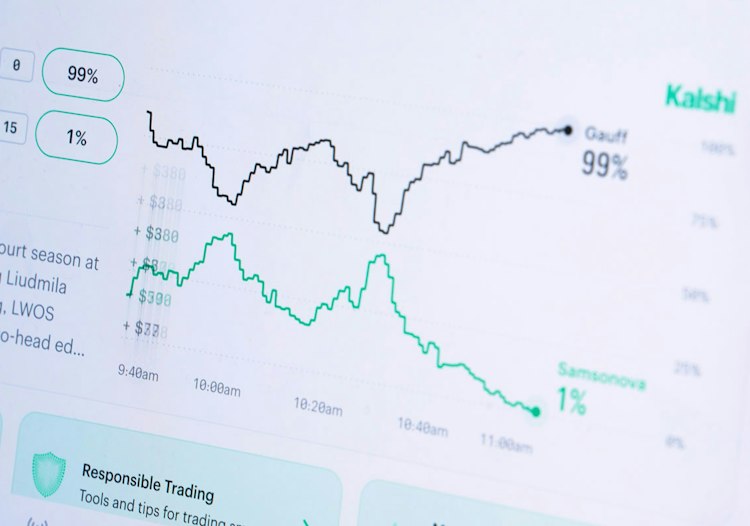
Kalshi is finding new allies among Native American tribes, even as much of the tribal gaming industry fights to keep sports prediction markets out of its territory.
Four tribes in California and Oklahoma launched Kalshi-backed prediction apps on Wednesday, October 7, adding to a small but growing group of tribal governments embracing the rapidly expanding industry.
But the partnerships are exposing a growing divide. While some tribes see prediction markets as an opportunity to generate revenue for underserved communities, hundreds of others fear the platforms could undermine the casino businesses that have become essential to their economic independence.
The divide was detailed in a CNN investigation, which included interviews with nearly 20 people involved in the dispute.
For the Kletsel Dehe Wintun Nation in northern California, the decision to partner with Kalshi is about more than entering a new market.
The small tribe lives in an isolated community without potable drinking water. Tribal administrator Eric Wright hopes revenue from its new prediction app can help finance infrastructure projects, including improvements to water access.
"We aren't a big gaming tribe that has a ton of economic dollars lying around," Wright told CNN.
"At its core, this is about tribal sovereignty and economic self-determination. Other tribes are entitled to disagree with our decision, but they don't have veto power over our economic future."
Another participating tribe, the Alabama-Quassarte Tribal Town in Oklahoma, has also embraced the opportunity.
Michael Stopp, a Cherokee businessman whose company helped develop its prediction app, argued that online prediction markets do not necessarily compete directly with the experience of visiting a physical casino.
The latest launches follow Kalshi's first tribal prediction market partnership with the Tunica-Biloxi Tribe of Louisiana, announced in September.
For many tribal governments, however, sports prediction markets represent a potential threat to one of their most important sources of revenue.
Nearly 250 tribal governments operate approximately 545 gaming facilities across 29 states, according to federal figures cited by CNN. Tribal casinos generated more than $46.2 billion in gross gaming revenue in 2025.
That revenue supports public services, infrastructure, education, and healthcare in communities where other funding sources can be limited.
At the Tulalip Tribes reservation in Washington, for example, casino revenue funded a $67 million water pipeline and a $19 million early education center, according to records reviewed by CNN.
The concern is that sports event contracts offered by platforms such as Kalshi and Polymarket could divert gambling spending away from tribal casinos while operating outside the state and tribal gaming frameworks that those casinos must follow.
Rebecca George, executive director of the Washington Indian Gaming Association, is among the tribal gaming leaders pushing back against the industry.
"In Indian country, we're still fighting for basic infrastructure," George told CNN.
Importantly, the financial damage remains largely a concern about what could happen rather than a demonstrated industry-wide decline. Tribal leaders interviewed by CNN did not provide data showing that prediction markets had already reduced their casino revenue.
The dispute is part of a broader legal fight over whether federally regulated sports event contracts should be treated as financial products or gambling.
Kalshi and other prediction market operators offer event contracts through exchanges regulated by the Commodity Futures Trading Commission (CFTC), arguing that federal commodities law governs their products.
Tribal gaming organizations and state regulators have challenged that position, arguing that sports contracts effectively function as wagering products and should remain subject to established gambling laws.
According to CNN, two California tribes secured a favorable federal appeals court ruling in September concerning sports contracts offered by Kalshi and Robinhood and their relationship with tribal gaming rights.
But the legal picture remains unsettled. In May, a federal judge in Wisconsin declined to block Kalshi within the Ho-Chunk Nation's territory, finding insufficient evidence that its casinos were losing customers to the platform.
The conflicting outcomes illustrate why the dispute could eventually reach the US Supreme Court.
Despite the industry's widespread opposition, the number of tribes willing to explore prediction market partnerships is growing.
Marshall Pierite, chairman of the Tunica-Biloxi Tribe, told CNN that although his tribe's initial partnership received a mixed response, other tribal leaders have privately expressed interest in pursuing similar arrangements.
That creates an increasingly complicated dynamic for Kalshi.
Its tribal partnerships provide new commercial opportunities and demonstrate that opposition to prediction markets is not universal across Native American communities. But they do not eliminate the legal objections raised by tribal gaming organizations or resolve concerns about protecting casino revenue.
For some tribes, prediction markets represent another path toward economic independence. For others, they threaten the very businesses that made that independence possible.
As more tribes consider partnerships and the courts continue weighing the legality of sports event contracts, that disagreement could become one of the defining conflicts in the industry's expansion.


Damien Souness is Chief Experience Officer at Cipher Sports Technology Group, helping lead sports media brands such as Dimers. He specializes in creating trustworthy and data-driven content for sports fans, with experience working for globally recognized sports and media organizations.