Jul 21, 2026
This was the most bet soccer match in DraftKings history
Read Article 
Polymarket parlays are coming, allowing users to combine multiple outcomes into a single position.
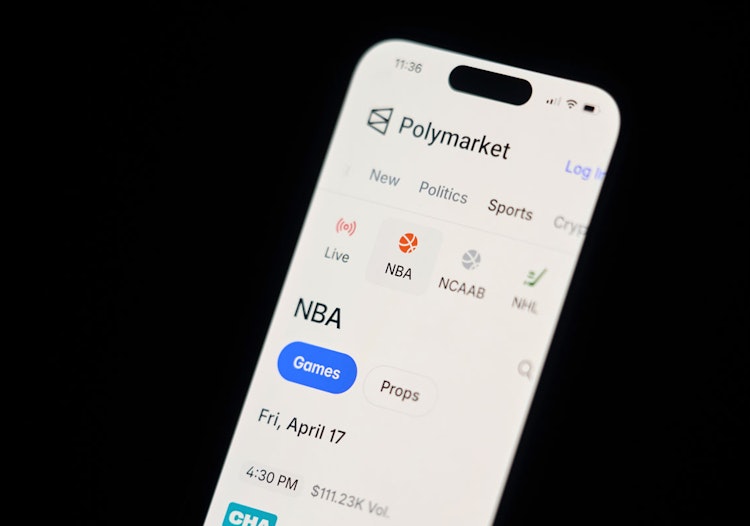
Polymarket is preparing to launch multi-leg sports contracts on its federally regulated US exchange, giving users a new way to combine multiple sports outcomes into a single position.
The product, formally described as "Combinatoric Athletic Outcome Contracts," would allow users to create multi-outcome sports contracts in which every leg must hit for the contract to pay out.
For bettors asking whether you can parlay on Polymarket, the latest filing suggests that functionality could be coming soon.
Polymarket's proposed multi-leg contracts would allow users to combine two or more underlying sports contracts into one position.
Each individual outcome acts as a leg, and every leg must hit for the contract to pay out.
The filing includes no position limits, a $25,000 position accountability threshold, restrictions for users under 18, and eligibility rules barring certain athletes, coaches, team staff, event employees and immediate family members from trading.
Multi-leg sports contracts could become an important product for prediction market users because they add more flexibility and more ways to express a view across multiple outcomes.
Polymarket rival Kalshi has already introduced a similar product, branded as "combos," which reportedly now accounts for roughly 20% of trading activity on the platform.
Sports have also become a major driver of prediction market activity, and reports indicate that more than 85% of Kalshi's transactions involve sports-related contracts.
Prediction markets initially gained mainstream attention through politics, elections and current events.
But sports-related contracts have become one of the fastest-growing areas of the category.
That helps explain why platforms like Polymarket and Kalshi are continuing to introduce more advanced sports-focused contract structures, including live event markets, multi-leg products and broader event-based trading options.
In the United States, regulators still treat prediction markets and sportsbooks differently.
Sportsbooks operate under state-by-state gaming regulation, while federally regulated prediction markets operate under oversight from the Commodity Futures Trading Commission.
For consumers, that difference matters. Rules, protections, eligibility requirements, and product mechanics may vary depending on the platform you use.
Adam Fiske, CEO of Cipher Sports Technology Group, parent company of Dimers, says sports-focused prediction markets are continuing to evolve quickly.
"The interesting part is not just that prediction markets are growing—it's how quickly sports-focused event contracts are evolving as platforms compete for consumer attention," Fiske said.
"Multi-leg contracts and more interactive experiences are becoming a bigger focus across the category.
"For consumers, that could mean more innovation, more choice and more ways to engage with sports-related events. But it also makes understanding how different platforms operate, how they're regulated and what protections exist more important than ever."
As Polymarket and Kalshi continue expanding their sports offerings, users should understand how these products work before trading, especially when combining multiple outcomes into one position.


Damien Souness is Chief Experience Officer at Cipher Sports Technology Group, helping lead sports media brands such as Dimers. He specializes in creating trustworthy and data-driven content for sports fans, with experience working for globally recognized sports and media organizations.